A few months back I joined a Discord server with lots of early to mid career creatively minded people. The majority of the community are from the USA, with the rest mostly made up of Canadians, Europeans (mostly UK and Germany folk), Australians and people in Japan.
It’s been great as it has filled some of the void from when Twitter got bought out. I’ve missed the silliness, the self deprecating in-jokes, and the constant flow of shared creative practice that Twitter used to have. I left Twitter some time ago and have been using Mastodon since but it doesn’t (at least atm) have any of the energy I used to love from Twitter. Instead I mostly use it to look at people’s nature and gardening posts (which I love!), and to share updates from my allotment plot. But with this discord community I’ve gotten back some of that creative sharing and joy.
Anyway. Discord communities tend to be much more conversational than other social media spaces. Depending on the size and activity of a server it can feel more intimate, like you’re sitting together in a pub or cafe rather than heckling over a sports field. And in this particular server people have been warm, open and engaging.
However a couple of times there have been misunderstandings that show up how different US English is from UK English, in ways that I have not fully appreciated before.
For anyone that doesn’t know the USA has a low context culture, whereas the UK is a much higher context culture. This means in the USA language is used in a much more literal way, whereas there are many aspects of UK language that are indirect and rely on individuals to infer meaning through shared cultural context. Examples of other low context cultures are the Netherlands and Germany. Examples of high context cultures (higher than the UK) are Japan and China.
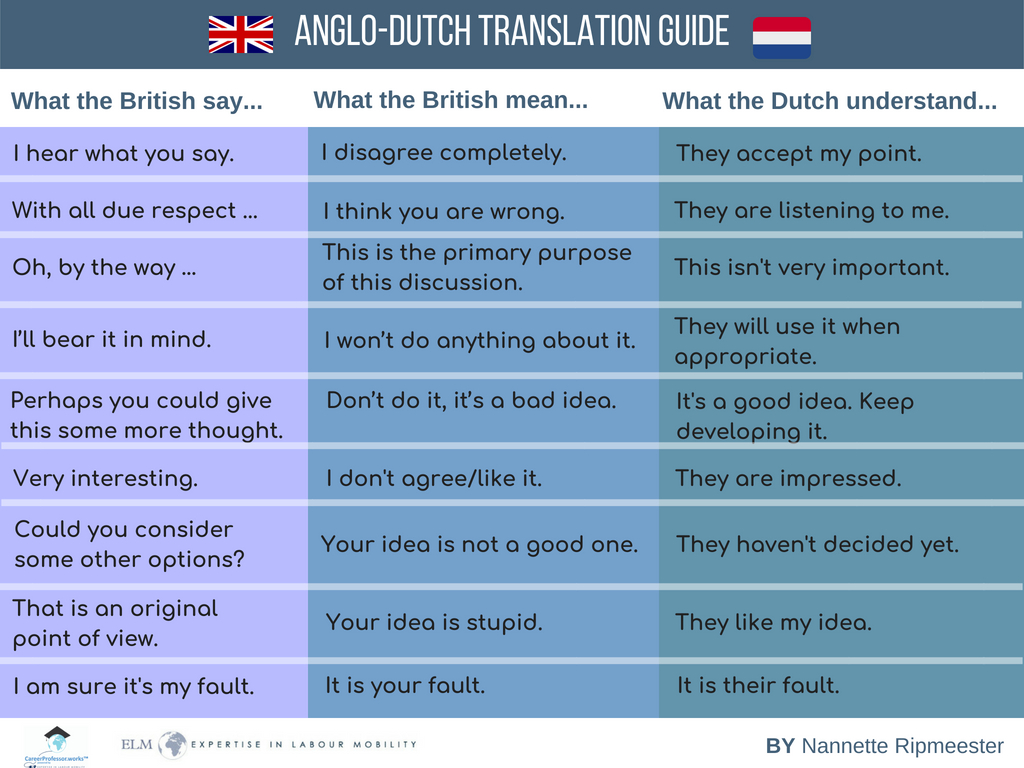
There’s lots of memes and internet guides for Dutch interpretations of UK English so I had some awareness of low v high context cultures, but joining the mentioned discord server has been eye opening as to how UK English is easily misunderstood.
A widely understood broad difference between Britain and the USA is that people here constantly refer to things in a self-deprecating way. Hyperbole is used to exaggerate how shit day to day life is and complaining is a shared cultural pastime. Whereas hyperbole in the USA is often used to exaggerate how good things are (a novelty on this side of the pond).
Layer into this that people in Britain are constantly sarcastic and routinely use antiphrasis. So we say the opposite of what we mean a lot, with layered in humour to be as esoteric as possible. A stellar combination for non-UK folk to have no idea what is actually being said.
Yet again layer into this that when meeting new people, we toy with and gage our social standing with others by essentially being self-deprecating and encouraging others to be self-deprecating. The dance looks a lot like a plutonic form of flirting but if you’re not used to it this looks and sounds a lot like negging (a form of emotional manipulation and gaslighting to wear down someone’s self-esteem to make them more receptive to people and situations they otherwise would not engage with).
All of this is to explain if you have a group of people of differing anglophone nationalities all chatting and getting along, sharing common interests and generally being lovely to each other, and then the few UK folk in there start being hyperbolically negative with antiphrasis and roasting each other – to those that don’t share the same culture that behaviour seems at odds with the friendly community building spirit of the server, whereas the UK folk see it as the next step in becoming friends.
I was shocked how much of a misunderstanding there was though, that there wasn’t a benefit of the doubt given and people quickly assumed people were being nasty for no reason. I rely a lot on lots of context clues to understand the intention in communication and behaviours, and if someone has been warm, consciencious and open in the past I tend to give them benefit of the doubt even if I’m not sure where their current communication attempt is going to land (maybe I’m stockholm syndromed by people constantly trying to lay set ups to later payoffs for humour purposes).
There was no major fallout, a couple of US folks pointed out that they didn’t know why the conversation had turned negative and then I and another UK person tried to interpret the conversation and explain what it meant from a UK sociocultural perspective. I also shared this YouTube video by Girl Gone London, someone originally from Florida who has been living in the UK for 10+ years, as I think it provides a good insight into where there can be hiccups between UK and US English.
One of the Americans who watched the Girl Gone London video said that the closest they could understand this aspect of UK culture was the “rule of cool”, which I agree is very similar, but this also gives insight into how alien this aspect of UK culture is to people in the USA given these forms of social rules are so pervasive in the UK.
I’ve met plenty of US people through work contexts and as family friends but maybe I just haven’t spent this amount of time getting to know people in a more social capacity. In work contexts I tend to speak quite literally unless I know someone well, but the experience of talking with Americans more colloquially has been eye opening and really interesting. It could be down to the openness generally on display within this community, that people are open and willing to say they don’t understand or to learn from one another or care enough to be conscientious.
I still don’t know where the Canadians stand in the culture war though, in this server there’s an in-joke of “are there more Canadians or Ryans”, and both the Canadians and Ryans have been chill during any minor language tensions.
All of this has given me better insight for why there seems to be a lot of clashes online between US English and UK English speaking folk. An example that comes to mind is around the trend of Americans enjoying belittling UK food – there’s a weird mishmash of UK people deliberately being self-deprecatingly sarcastic and posting beige food, and then Americans interpreting this literally and making “yes you’re shit” responses. At one point in this discord group I explained the UK joke of a selection of deep fried foods being referred to as “British tapas”. There’s a lot lost in translation even though we’re speaking the same language, culture (and nationalism) weighs heavy.
The few US expats that I have socialised and been friends with have often come across as on the autistic spectrum to me, and through this discord experience I’m having to reevaluate my own perceptions of others and give more space to cultural differences. Basically I’m wrong to assume that communication issues would be down to neurodivergence rather than sociocultural differences. When I first watched the Girl Gone London video I shared it with someone who has worked with autistic young adults their whole carer, and I posed the question does high functioning autism present differently in low context cultures? Given lots of the examples of misunderstanding non-literal communication in the video are prime examples of how autism can often present challenges to individuals here in the UK. I’m thinking similarly to how dyslexia doesn’t present the same challenges to people who write in pictorial languages as it does people with latin, greek, cyrillic etc alphabet languages.
If you’re interested in more Americans-in-the-UK type content other than Girl Gone London, I find kjordy on YouTube insightful too. He’s been living in London for 4 years and he makes YouTube shorts breaking down his experiences of different towns, cultural experiences, and day to day life experiences. It’s interesting having an informed outside lens on my own culture.
As much as this post has been about differences I’m loving having an online community with shared creative interests and humour again. Book recommendations. Film recommendations. Sharing of creative practice. People being truly laugh out loud funny. I’m very grateful for it all.